

Outdoor Living
The Ultimate Guide to Planning Your Outdoor Living Project
By Colby Coward / August 19, 2026
What to Expect Before, During, and After Construction
Building an outdoor living space is one of the most meaningful ways to improve how you enjoy your home. A new fence can provide privacy and security, while a covered patio, outdoor kitchen, deck, or complete backyard renovation can create more room for everyday living and entertaining.
No matter the size of the investment, successful outdoor living projects have one thing in common: they are carefully planned before construction begins.
Understanding the process can help you make informed decisions, prepare your property, and set realistic expectations from the beginning. It can also reduce many of the uncertainties homeowners experience when permits, materials, inspections, weather, and multiple phases of construction are involved.
Texas Best Fence & Patio has built fences, gates, decks, patios, and outdoor living spaces for Dallas-Fort Worth and Denton County homeowners since 2004. This guide explains what to expect before, during, and after construction so you can approach your project with greater clarity and confidence.
Table of contents
- What to Expect Before, During, and After Construction
- Build a Backyard That’s Designed for the Way You Live
- What Type of Outdoor Living Project Are You Planning?
- Before Construction: Planning and Preparing Your Project
- During Construction: What to Expect at Your Home
- After Construction: Completing and Caring for Your Project
- Now the Best Part Begins
Build a Backyard That’s Designed for the Way You Live
Before choosing materials or comparing features, think about how you want to use your outdoor space.
You may want a comfortable place to eat dinner outside, a shaded area where your family can relax, or more room to host friends during football season. Perhaps you need a safer yard for children and pets, better privacy from neighboring properties, or an outdoor kitchen that makes cooking and entertaining easier.
Your goals should shape the project.
A well-designed backyard should feel like a natural extension of your home rather than a collection of unrelated improvements. The fence, patio, shade structure, cooking area, lighting, and other features should work together to support the way your family lives.
Texas Best Fence & Patio offers fencing and gates, outdoor kitchens, patio covers, pergolas, decks, concrete and flagstone patios, fireplaces, fire pits, and complete outdoor living spaces. Depending on your goals, your project may include one of these improvements or combine several elements into a cohesive backyard design.
What Type of Outdoor Living Project Are You Planning?
Every project follows a similar overall process, but the design decisions, construction phases, and timeline will depend on what you are building.
Complete Outdoor Living Spaces
A complete outdoor living project brings several features together within one coordinated plan. It may include a covered patio, outdoor kitchen, fireplace, decking, decorative concrete, lighting, fencing, and entertainment areas.
These projects require thoughtful planning because the individual components must work together structurally, visually, and functionally. They may also involve several trades, custom materials, permits, and inspections.
Planning the entire space at once can create better flow between cooking, dining, relaxing, and entertaining areas. It can also help the finished backyard feel more intentional and connected to the architecture of the home.
Outdoor Kitchens
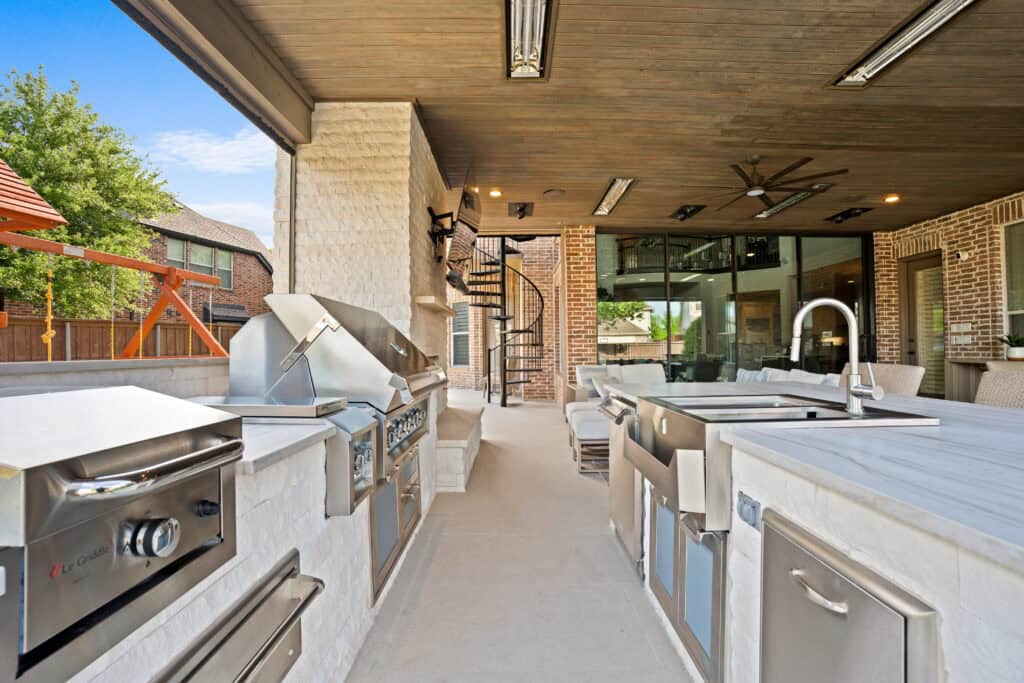
An outdoor kitchen can range from a built-in grill and counter space to a more complete cooking area with refrigeration, storage, smokers, seating, and custom masonry.
The right design depends on how often you cook outside, how many people you typically entertain, and which appliances you will use regularly. Placement also matters. The kitchen should connect comfortably to your patio and gathering areas without interrupting traffic through the space.
Texas Best Fence & Patio builds custom outdoor kitchens with layouts and features tailored to each home and property.
Patio Covers and Pergolas
A patio cover or pergola can make a North Texas backyard more comfortable and usable throughout the year.
A covered patio offers more substantial protection from the sun and weather, while a pergola provides filtered shade and architectural interest. Both can help define an outdoor room and create a more inviting place to dine, entertain, or relax.
The design should complement the home’s roofline, materials, and architectural style while providing the appropriate amount of shade and coverage for the space.
Decks and Patios
Decks and patios provide the foundation for many outdoor living areas. They establish where furniture, dining areas, outdoor kitchens, and gathering spaces will be located.
Material options may include composite decking, wood decking, stamped concrete, or flagstone. Each has different advantages related to maintenance, appearance, heat, durability, and cost.
A thoughtful layout should account for drainage, access points, furniture placement, and the way people will move between the home, yard, pool, and other backyard features.
New Fence Installation and Gates
A new fence can improve privacy, security, curb appeal, and the overall definition of your property.
Texas Best Fence & Patio installs wood and metal fences, along with manual and automatic gate systems. The right selection depends on your privacy needs, architectural preferences, property layout, and long-term maintenance expectations.
Fence replacement may appear more straightforward than a complete outdoor living build, but it still requires careful attention to property lines, access, underground utilities, gates, drainage, landscaping, and neighborhood requirements.
Fence Staining and Maintenance
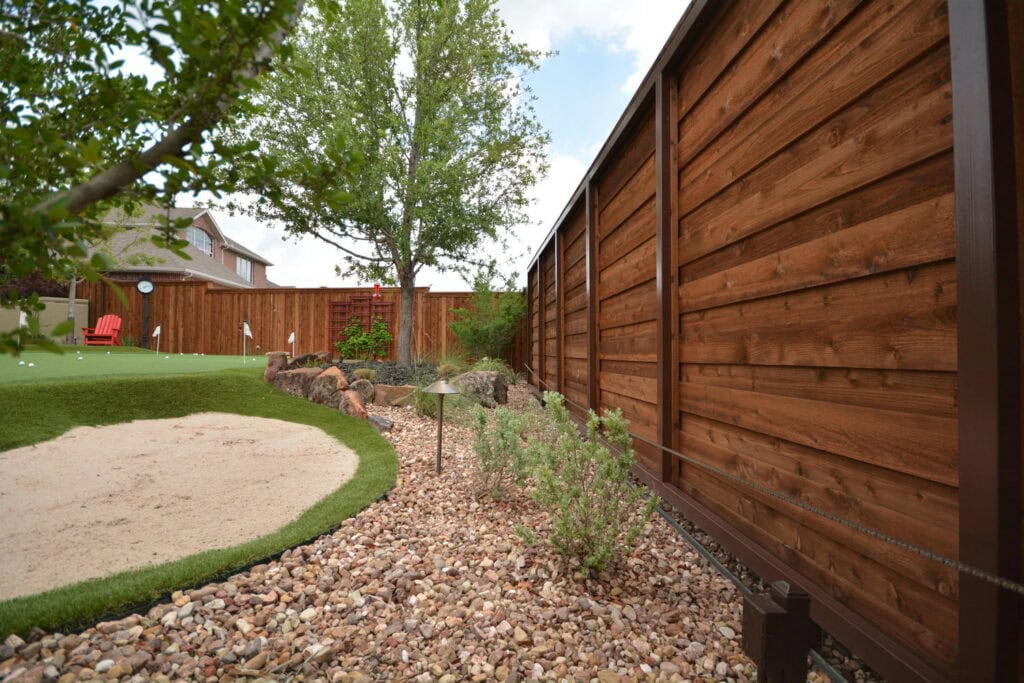
Professional staining helps protect wood fencing and outdoor structures from sun exposure and changing North Texas weather.
Existing fences may also need repairs before stain is applied. Cleaning, preparation, repairs, weather conditions, and drying time all affect the process and final appearance.
Wood fences, pergolas, arbors, and patio covers generally benefit from periodic cleaning and re-staining to preserve their appearance and help protect the wood over time.
Before Construction: Planning and Preparing Your Project
The visible work may begin when the crew arrives, but much of the project is coordinated before construction day.
Design decisions must be finalized, documents submitted, approvals received, materials ordered, and the property prepared. Completing these steps carefully helps the construction phase move more smoothly.
Begin With a Consultation and Property Review
The planning process should begin with a conversation about what you want to accomplish.
During the initial consultation, the contractor should learn how you plan to use the space, review your property, discuss possible materials and features, and identify site conditions that could influence the design.
This is the time to discuss your priorities, concerns, approximate investment range, and any future improvements that should be considered. For example, a patio cover should not be designed without considering a future outdoor kitchen, pool, deck, or expanded entertaining area.
Thinking beyond the immediate project can help you avoid design limitations or unnecessary reconstruction later.
Finalize the Design, Scope, and Materials
Once the general direction has been established, the next step is to define exactly what will be built.
The project scope should identify the dimensions, materials, finishes, features, and responsibilities included in the work. Review the proposal carefully and ask questions about anything unclear.
This is also the time to confirm choices such as:
- Fence style and height
- Wood, metal, composite, stone, or concrete selections
- Patio or deck dimensions
- Roofing and shade coverage
- Outdoor kitchen appliances
- Electrical features
- Gates and access points
- Stain or finish selections
- Drainage or irrigation considerations
Changing the design after materials have been ordered or construction has begun can affect both the timeline and project cost. Making confident decisions during planning helps reduce those disruptions.
Complete the Required Documentation
Before Texas Best Fence & Patio can move a project toward scheduling, homeowners may need to provide:
- A signed contract
- The required initial payment
- HOA approval paperwork, when applicable
- A property survey or plot showing the property lines
The survey may be included with your title documents or refinancing paperwork. Providing it early can help the project team confirm boundaries and prepare for permits or neighborhood approval.
Obtain HOA Approval and Required Permits
Depending on your neighborhood, city, and project type, your project may require HOA approval, a city permit, or both.
HOA requirements can regulate fence height, materials, stain colors, structure placement, and architectural details. Cities may also have specific requirements for setbacks, structural connections, electrical work, concrete, and inspections.
Texas Best Fence & Patio requires applicable HOA approvals and permits to be completed before a project can be scheduled.
Approval timelines are controlled by the HOA or municipality and can vary. Submitting complete and accurate information as early as possible can help prevent avoidable delays.
Allow Time for Materials to Arrive
Materials are generally ordered after the required approvals have been received.
Many materials arrive within approximately four to eight weeks, but actual lead times can vary based on product availability, custom fabrication, manufacturer schedules, and seasonal demand.
Outdoor living projects may require cedar, steel, roofing, stone, appliances, specialty hardware, composite products, or custom-fabricated components. Waiting for the correct materials is an important part of producing a finished project that performs well and reflects the approved design.
Understand How Scheduling Works
Once the necessary documents and approvals are complete and the materials have arrived, the project can move into scheduling.
A Customer Care team member will contact you with a tentative installation date and provide an additional reminder before construction begins. Because outdoor construction is influenced by weather, inspections, material deliveries, and the progress of active projects, the initial date may need to change.
A schedule adjustment does not necessarily indicate poor planning. It may mean that saturated soil has made excavation unsafe, an inspection is not yet complete, or an earlier project required additional time to be finished properly.
Leaving some flexibility around the anticipated installation and completion dates can make the experience less stressful.
Prepare Your Property for Construction
Before the crew arrives, take time to prepare the work area.
Make sure gates are unlocked and the property is accessible. Remove furniture, grills, decorations, toys, planters, lighting, and fragile items from the immediate construction area. Trim shrubs, trees, and plants that touch the fence or interfere with access.
Children and pets should remain safely away from active construction areas. If the project affects a shared fence line, nearby access, street parking, or noise levels, notifying your neighbors in advance is also a thoughtful step.
When digging is involved, Texas Best Fence & Patio will contact Texas 811 so applicable public utility lines can be marked. Utility providers control their own schedules, so the exact day or time of the marking may not be available in advance.
Private lines, such as some irrigation, pool, landscape lighting, or privately installed utilities, may not be included in standard public utility markings. Discuss known private lines with your project manager before construction begins.
During Construction: What to Expect at Your Home
Outdoor construction naturally creates activity and temporary disruption. Crews, tools, deliveries, excavation, noise, dust, and inspections may all be part of the process.
Knowing what to expect can help you prepare without feeling surprised by normal construction conditions.
Download the guide to help make your construction experience as smooth and stress-free as possible.
Your Project Manager Will Coordinate the Work
Your project manager will help coordinate the construction process, communicate relevant updates, and explain required inspections.
At the beginning of the installation, the crew and project manager may review the work area and confirm important project details. During construction, questions should be directed to the designated project contact so information remains clear and consistent.
Your Property Will Become an Active Work Area
The crew may need access to driveways, gates, side yards, electrical connections, or other parts of the property. Materials and equipment may also need to be stored temporarily near the work area.
Depending on the project, you may experience:
- Construction noise
- Dust and debris
- Material deliveries
- Excavation and exposed soil
- Temporary loss of access to part of the yard
- Concrete or masonry work
- Framing and roofing activity
- Electrical work
- City inspections
These conditions are temporary, but they are a normal part of building a durable outdoor structure.
Construction Happens in a Specific Sequence
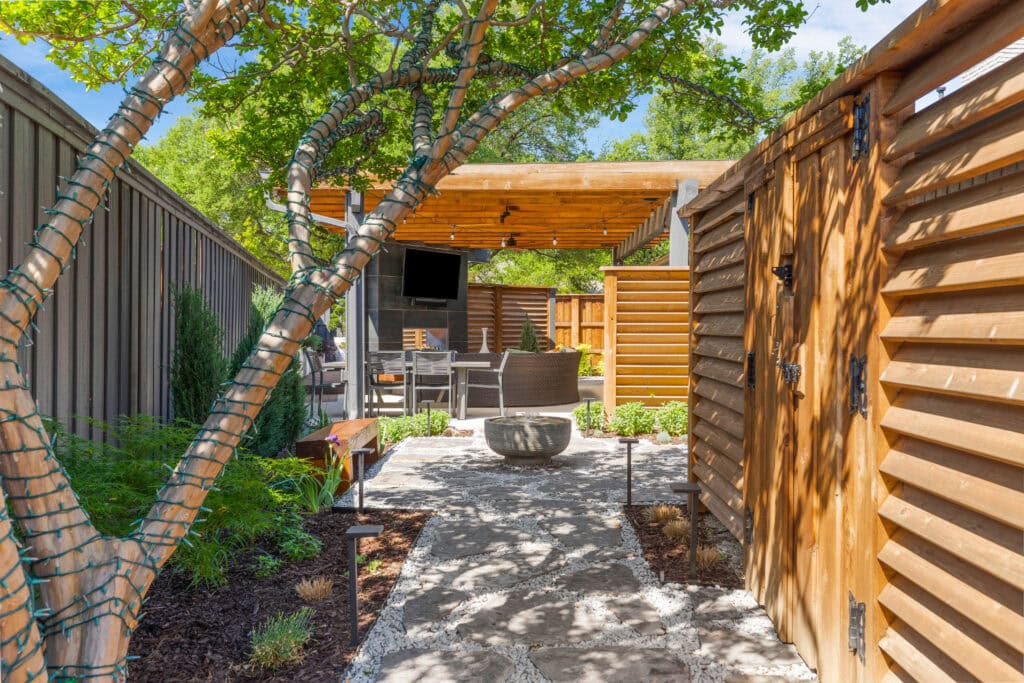
Each phase must be completed in the correct order.
A patio cover or pergola, for example, may require post holes, a city inspection, structural framing, another inspection, roofing, electrical work, and a final inspection. Concrete and flagstone projects require site preparation, reinforcement, forms, pouring, curing, and finishing.
Some phases cannot continue until an inspection has been passed or a material has cured. These pauses may make it appear that work has stopped, even though the project is moving through the required process.
Weather Can Affect the Schedule
North Texas weather can change quickly, and not every outdoor task can be completed safely or successfully in every condition.
Rain may saturate the ground and delay excavation or concrete preparation. High winds can affect framing and roofing work. Extreme temperatures may influence concrete curing, stain application, or other finishes.
When the schedule changes because of weather, the goal is not simply to avoid discomfort. It is to protect the crew, the materials, and the long-term quality of the work.
Inspections May Create Necessary Pauses
Some projects require inspections at several points during construction.
A city may need to inspect post holes before concrete is placed, framing before it is enclosed, electrical work before final fixtures are installed, or completed construction before the permit can be closed.
Inspection timing is controlled by the municipality. The crew may need to pause until the inspector has visited and approved the completed phase.
Keep Children and Pets Away From the Work Area
Construction areas can include open holes, sharp materials, tools, equipment, wet concrete, fresh stain, and other temporary hazards.
Keep children and pets inside or in a separate secure area while work is underway. Gates may need to remain open during parts of the installation, so do not assume the yard will be secure until the crew confirms it is safe.
Pets should remain away from newly stained fencing for at least 24 hours. Sprinkler systems should not be operated for four days after fence stain is applied.
Expect Reasonable Cleanup Throughout the Project
Construction cleanup is an ongoing process, but the property may not return to its normal appearance until the project is complete.
Crews should organize the work area and remove appropriate debris as construction progresses. However, materials, equipment, exposed soil, or partially completed work may remain onsite between phases.
Once construction and the required inspections are complete, the final cleanup and walkthrough can take place.
After Construction: Completing and Caring for Your Project
The final phase is about more than removing equipment and collecting payment. It is also the time to review the completed work, understand material care, and make sure you know when the space can be used normally.
Complete the Final Walkthrough
Your project manager will coordinate a time to review the completed project with you.
During the walkthrough, take time to look at the work, ask questions, and discuss any final care instructions. Required final inspections will also be coordinated as part of the closeout process.
Final payment is typically collected when the project is complete unless the contract states otherwise.
Follow All Curing and Drying Instructions
Some materials need additional time before they are ready for regular use.
Concrete generally requires a period when it should not be walked on, followed by additional curing before sealing. Depending on temperatures and project conditions, sealing may occur approximately seven to 14 days after the pour. The surface should remain unused for the recommended period after sealer is applied.
Fresh stain, masonry, adhesives, sealers, and other finishes may have their own drying or curing requirements. Following these instructions helps prevent marks, uneven finishes, or premature damage.
Avoid placing furniture, rugs, grills, planters, or other heavy items on a new surface until your project manager confirms that it is ready.
Allow the Yard Time to Recover
Construction traffic, excavation, material storage, and changing weather can temporarily affect grass and landscaping near the work area.
Some areas may need time to recover after the project is complete. Wait until heavy construction activity has ended before scheduling final landscaping, sod replacement, irrigation adjustments, or detailed exterior cleaning.
Leaving a small buffer between construction completion and a party or major gathering also gives you time to arrange furniture and make sure the space is fully ready to use.
Protecting Your Investment
Quality construction creates the foundation for a long-lasting outdoor space, but ongoing care helps preserve its appearance and performance.
Every material responds differently to the North Texas climate. Wood fences and structures may need periodic cleaning and staining. Concrete and stone should be cared for according to their specific finish and sealer. Decking, outdoor appliances, lighting, gates, and hardware should be maintained based on the manufacturer’s recommendations and the conditions around your home.
Wood fences, arbors, and patio covers generally benefit from re-staining every three to five years. Sun exposure, irrigation, tree coverage, weather, and the condition of the wood can influence the appropriate schedule.
Before your project is closed, ask which maintenance tasks apply to your specific materials and how often they should be completed. A simple maintenance plan can help you protect the investment and avoid preventable repairs.
Now the Best Part Begins
The purpose of an outdoor living project is not simply to add another structure to your property. It is to make your home more comfortable, functional, and enjoyable.
A well-planned backyard can give your family more room to eat together, relax after a long day, celebrate birthdays, host friends, or spend a quiet morning outside. Those ordinary moments are what make the investment meaningful.
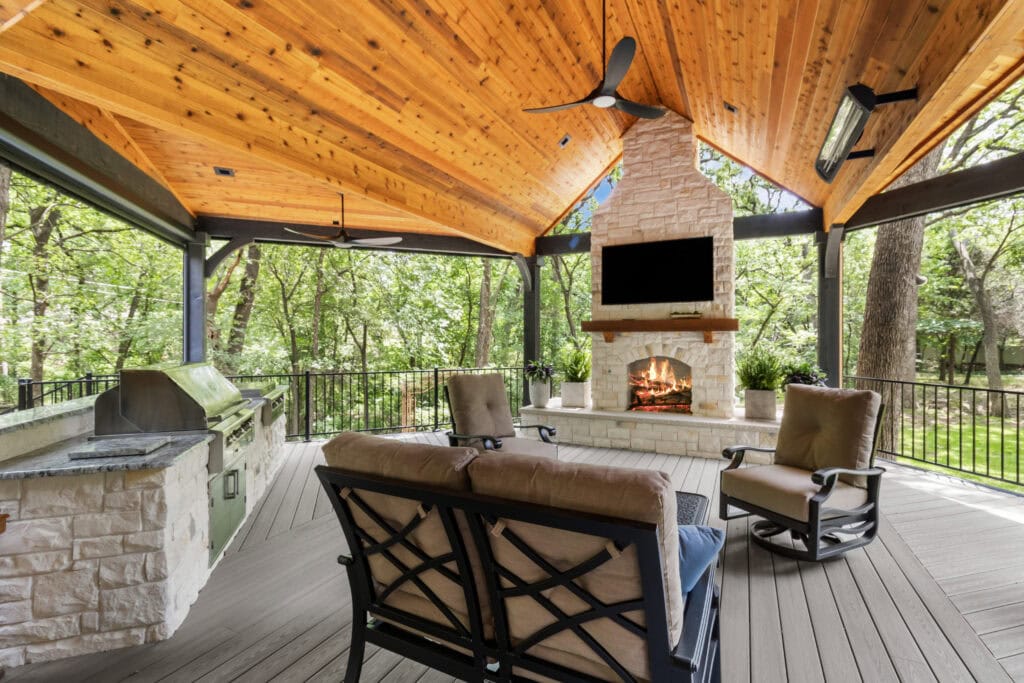
Whether your project includes a new fence, a shaded patio, an outdoor kitchen, a deck, or a complete outdoor living space, it should be designed around the way you want to live.
Texas Best Fence & Patio brings fencing and outdoor living construction together under one experienced team, helping North Texas homeowners move from an initial idea to a finished space with clear communication and consistent standards.
Ready to Start Planning Your Outdoor Living Project?
Let’s build a backyard that is designed for the way you live.
Request an estimate from Texas Best Fence & Patio and begin planning an outdoor space your family can enjoy for years to come.
Recent Posts
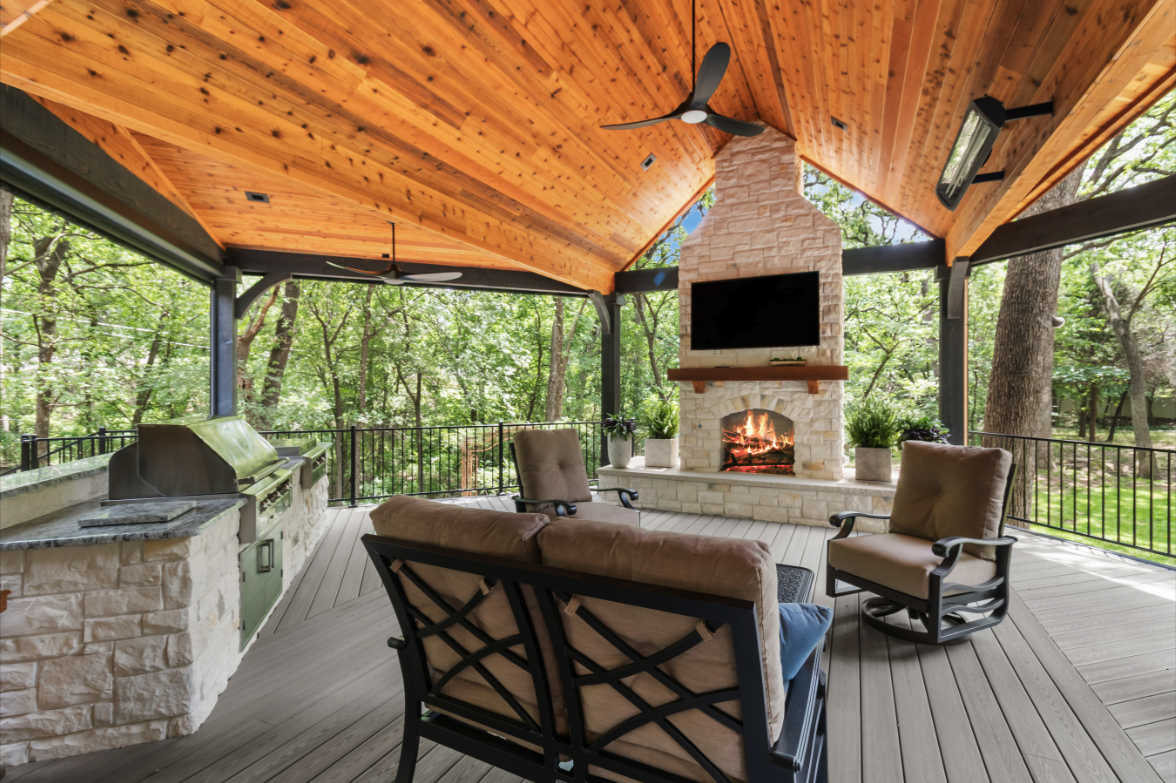
Texas Best Fence & Patio Named Best of Denton County 2026
September 29, 2026
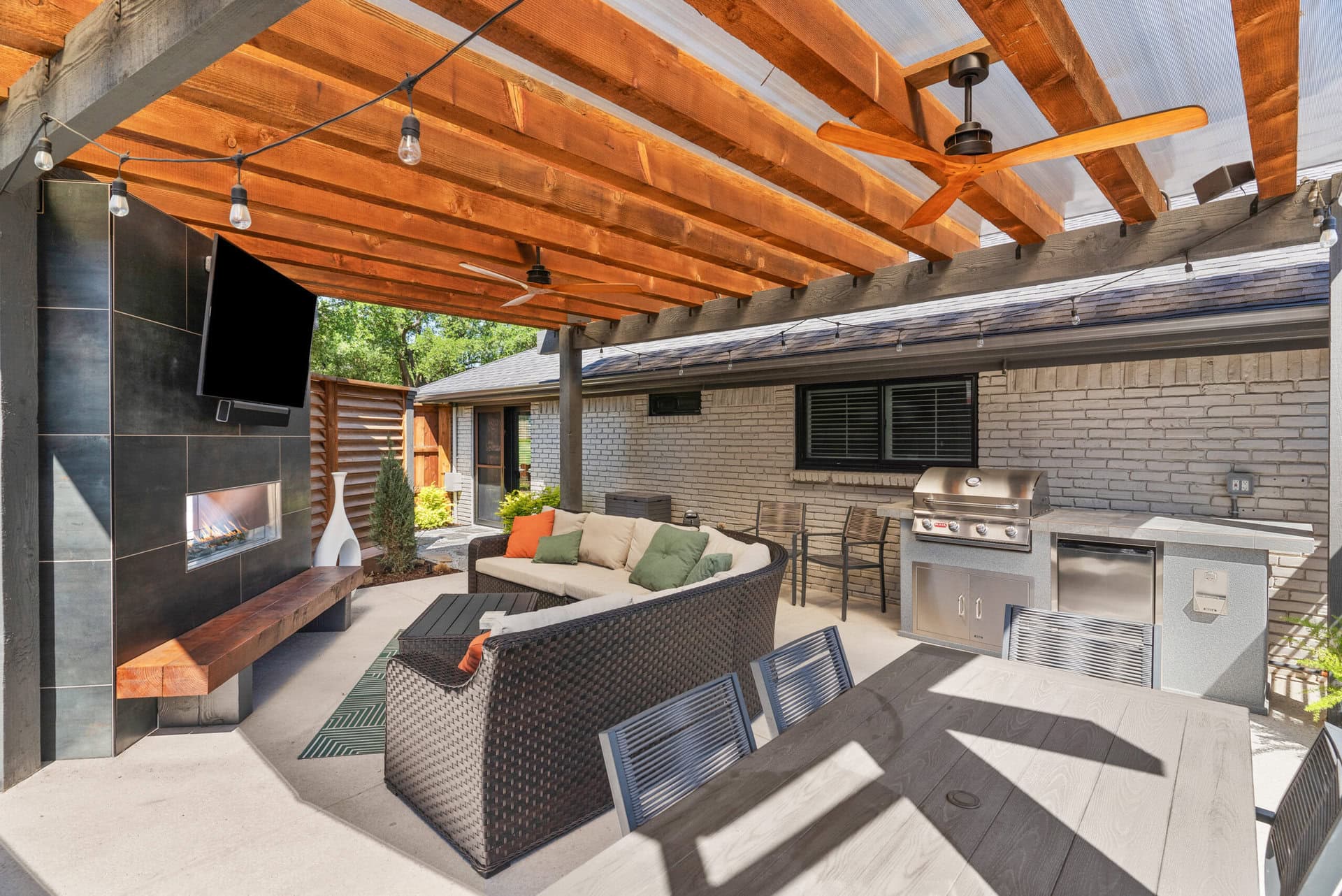
Luxury Outdoor Living Ideas for High-End Homes
September 4, 2026
Categories
Request an Estimate Today
Now that you’re thinking of the main types of outdoor structures
and their uses, you can create a concept that works for your
family. Keep in mind the purpose of the structure, whether natural
light in your home is a factor, and where you want the focal point
of your backyard to be. Once your gears get turning, reach out to
request an estimate on your concept.
and their uses, you can create a concept that works for your
family. Keep in mind the purpose of the structure, whether natural
light in your home is a factor, and where you want the focal point
of your backyard to be. Once your gears get turning, reach out to
request an estimate on your concept.
Request an Estimate